Aspects of Accidents Will Happen
Accidents Will Happen marks a big departure for me as a ‘noirish’ writer. My two most recent novels, All Down the Line (2020) and After the Bridge (2024), were based in Manchester. I lived, worked and played there for most of my adult life with my partner-in-crime, Catherine. But in Accidents, I swapped rainy city’s intense urban underworld for Northumberland’s isolated rugged cliffs and windswept coastal landscapes. Despite this dramatic shift in locations, my grim noir DNA runs throughout a short taut gritty novel that starts with a simple premise: did a talented classical violist jump or slip off a cliff? Although an inquest delivers an accidental death verdict, two of her closest friends believe Lisa Wright leapt. They want somebody to blame other than themselves. Ex-Marine Mike Nicholls and nurse Sally Palmer must confront the dark secrets of abuse, manipulation, and the moral complexities of revenge as they seek answers.
Accidents is deeply rooted in its settings where landscapes and locations serve as far more than mere backdrops or added colour; they are integral to the journeys of Mike, Lisa and Sally, shaping their actions, emotions, and destinies. For me, discovering Northumberland has been a creative spark. Living in one of the least densely populated and coldest areas of the country has opened up new horizons to explore as a writer.
The region’s natural beauty, juxtaposed with its inherent dangers, mirrors the emotional turbulence of the characters. The cliffs, where Lisa Wright meets her tragic end, are both majestic and treacherous. They embody the precarious balance between life and death that runs not only throughout Accidents Will Happen but also in the real world. My description of the cliffs — ‘where angels fail to fly’ — encapsulates their haunting allure. The ever-present wind and the crashing waves are reminders of nature’s indifference to human suffering. The water and rocks were here long before humans existed and will remain long after we’ve gone. The landscape’s timelessness and natural beauty provide a space for reflection and healing that are rarely found in congested concrete cities. Mike Nicholls’ runs along the cliffs are a metaphor for his emotional journey, as he grapples with guilt and seeks redemption. Lisa Wright’s tragic end on the cliffs is a turning point for those left behind, forcing them to confront the consequences of their actions and the fragility of life.
This new location for my fiction also reflects my own changing personal circumstances. My partner, musician and university lecturer Catherine, and myself, moved to Northumberland about six years ago (seems like a fraction of the time). We were not only fulfilling a dream to live by the sea in a working town sixty minutes from anywhere (we found a house first and luckily everything else fell into place), but were also giving Pamela, her late mother who had dementia, a better quality of life. Like everyone else, we didn’t anticipate the catastrophic chaos of a global Covid pandemic. Nor did we imagine the rapid decline in the health of my own parents — Tony and Janis — living 380 miles away near the south coast in Eastleigh, Hampshire.
Caring for all three was a constant challenge as they faced up to their health problems with the typical heroism of the ‘war-babies’ generation. Despite our best efforts, all we could do was minimise their physical and mental suffering and make them as comfortable as possible as their final big, long sleeps approached.
Although I was working on both Line and Bridges during this period, Accidents, written in the immediate aftermath of my mother’s death last year, was my noir exploration of guilt, bereavement and injustice, my emotional nod to the recently departed. As I’d found out through witnessing the deaths of Pam (August 2021), Tony (December 2021) and Janis (April 2024), we like to think we’re in control of our destinies, but we’re not. Not even close. Everything can change in an instant, individually and collectively. My parents and Pam were powerless to do anything other than surrender to their physical declines. We as carers were equally as impotent.
When I started writing the book, it quickly became clear Accidents was going to evolve into the antithesis of a plot-driven suspense and resolution thriller. Its compressed tautness came in at under 40,000 words, despite the crime world’s market expectations for double that word count. And the ‘poetic justice revenge’ ending I had originally planned felt a bit trite and contrived and was given the ‘red’ card. After all, although my books are rooted in noir traditions, modern elements such as contemporary settings, social issues, and psychological realism are more important to me as a writer because all fiction inevitably mirrors and draws from our real-life emotions. Similarly, the location is a critical hook for a book to connect with its readers. Northumberland is as much a ‘character’ in Accidents as Mike, Sally and Lisa, reflecting my own journey moving two hundred miles from the North West to the North East and a new home and life three miles short of the Scottish border.
During my relatively short time living in Northumberland, I’ve noticed there is a unique sense of space, community, and resilience that I’ve tried to capture in Accidents Will Happen. The town is every bit as fascinating and glorious as Manchester was to me, but in very different ways. Manchester is fast-paced, confrontational, and morally complex. Its urban chaos amplifies the protagonists’ struggles in both All Down the Line and After the Bridge. Line’s Cain Bell and Bridge’s Owen Chard and Angelina Kozar are forced to confront their darkest impulses and navigate a world of blurred ethical boundaries. Manchester’s relentless pace mirrors the urgency and tension of the stories, creating an unstable environment that is as dynamic as the characters themselves. Northumberland, on the other hand, is quiet, reflective, and timeless. Its natural beauty and isolation provide a space for introspection, allowing the characters to process their emotions and confront their pasts. Without me even being aware of it, the landscape’s existential weight added an unconscious layer of depth to Accidents, emphasising its themes of mortality, redemption, and the fragility of life.
I often read or hear comments that my books can feel like film treatments, minus the purple prose designed to impress book prize judges. I regard that as a compliment rather than a criticism. I stand with the late, great Elmore Leonard who said if it sounded like writing, rewrite it. When I do write, I visualise each scene playing out for me in the same way as it would in a movie or a TV show. Obviously, it helps if you are writing about actual places. The cliffs featured in Accidents are a quarter of an hour’s walk from where we live and I often stroll near them (ironically, I suffer from acrophobia and avoid high places). Sometimes, on an early morning at 7am with the sunlight reflecting off the water, I’ll imagine Mike and Lisa running up the hill at the end of Spittal promenade towards their destinies. Other times, it’s my parents, or Pam I see. That’s the liberating beauty of Northumberland and the sea being so close to us.
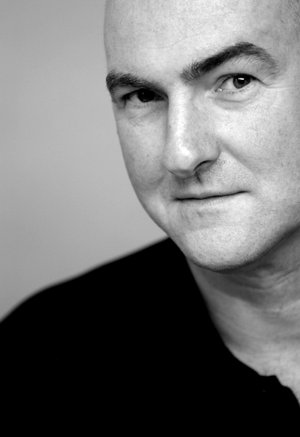
This article by Andrew J Field was published in the Nov/Dec edition of Aspects of Crime (https://aspectsofcrime.com). Annual subscription for the magazine is only £9.99.